Garage Floor Coatings That Survive an Arizona Summer
A garage floor coating either lasts a decade or peels up with your tires the first summer. The difference is almost never the product.
Prep is the whole job
Concrete has to be opened up so the coating can grip it mechanically. That means grinding the surface, not just cleaning it. Oil stains have to be pulled out first, because a coating will not bond to a spot that still has petroleum in it.
If someone quotes your garage without talking about how they will profile the slab, that quote is not comparable to one that does.
Ask about moisture
Slabs move water. If moisture is rising through the concrete, it will push a coating off from underneath no matter how well the top was prepped. A simple test before the job starts tells you whether that is a factor in your garage.
Epoxy or polyaspartic
Epoxy is the established option. It is more affordable and it performs well, but it takes longer to cure and it can yellow where sunlight reaches it.
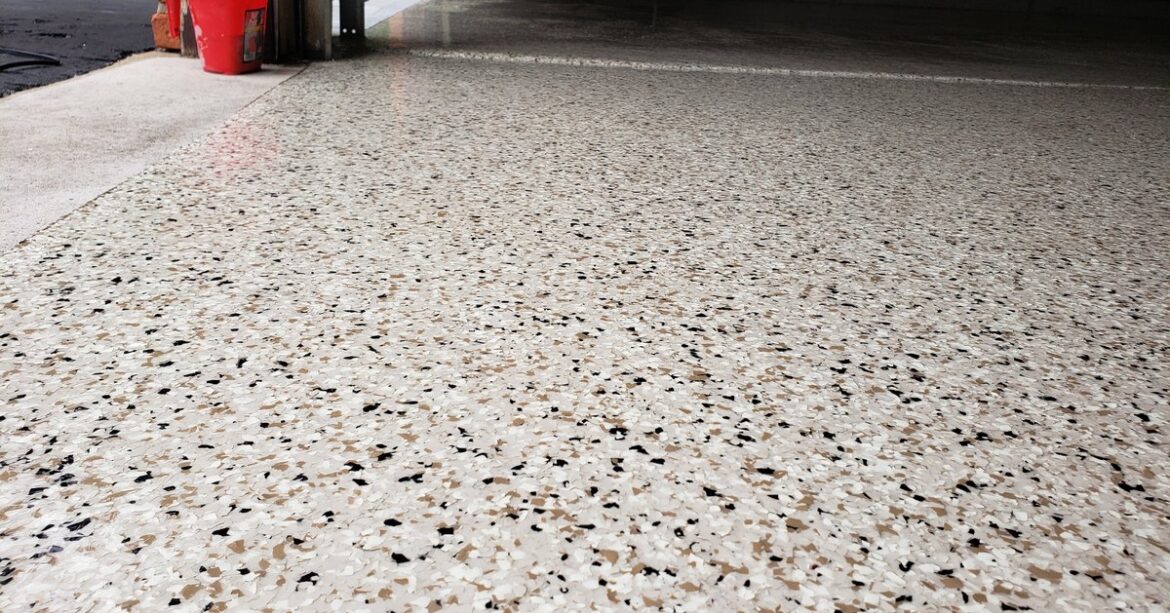
Polyaspartic costs more and cures much faster. It also handles UV and heat better, which matters here. If your garage door spends the summer open and the sun reaches the first several feet of floor, that difference shows up over time.
Hot tire pickup
This is the classic Arizona failure. You drive home in July, the tires are genuinely hot, and they soften a weak or poorly bonded coating enough to lift it when you back out the next morning. You will see it as circles or crescents right where you park.
It traces back to prep and product almost every time.
Timing the install
Slab temperature affects how these materials cure. A crew that knows this schedules around it and starts early rather than rolling product onto a hot floor at two in the afternoon.
We install garage and pool deck coatings throughout Gilbert and the East Valley. Get a free estimate and we will look at your slab before quoting it.